
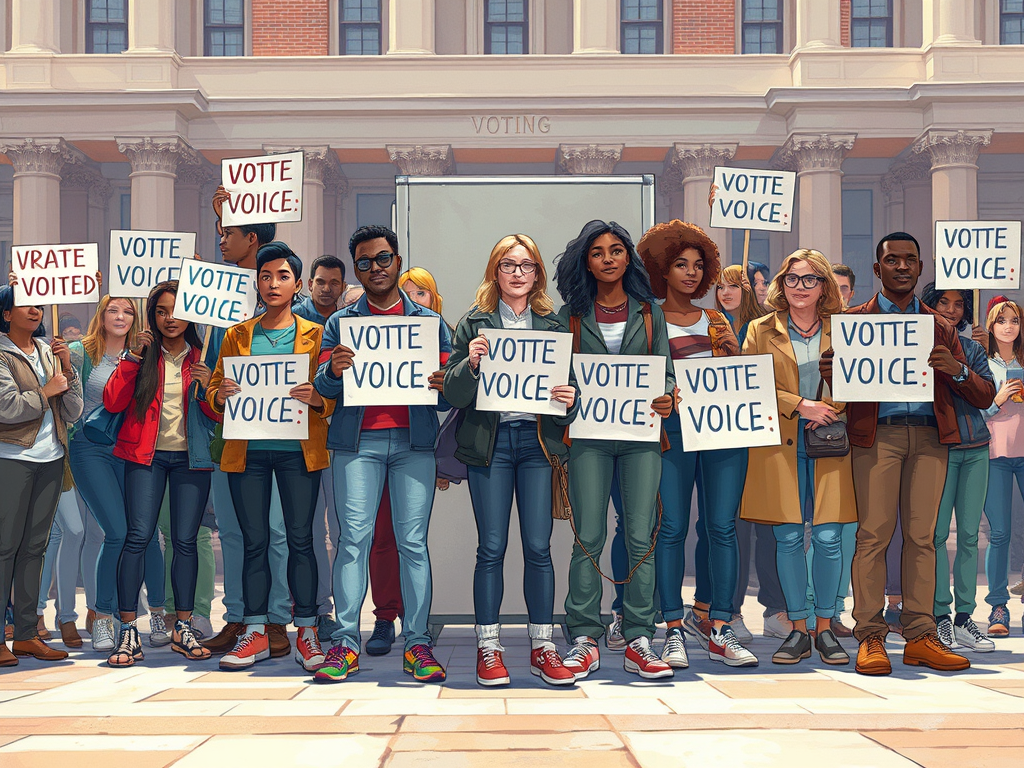
I know, I know. I had promised I would keep politics out of this blog. It’s inevitable this time, because the argument I want to talk about is political, in a sense. I promise I will try to keep the politicking to a minimum. Democracy. What a wonderful system of governance. A construct where instead of befalling onto one person — a monarch — the task of governing the polity befalls on the people.
Democracy is a powerful construct. It enables everybody to participate actively in the polity’s management. This power is however democracy´s greatest weakness as well. A democracy thrives only to the extent that its constituent members, the citizens, participate and are involved, informed and express their voices through using the most important tools every citizen has readily available to them to exercise their right to be part of the polity’s governance: Speech and vote. But herein lies the rub: Those same tools need to be used, often, and actively, for democracy to survive. If they are not, democracy, slowly but surely, dies.
It starts with voter apathy, where people become unwilling to go vote because it’s unimportant or inconvenient. Then it goes on to opinion apathy, where people start believing that all politicians are the same; finally, democracy enters its final stage of degeneracy with strongman infatuation, where people perceive that there is the need for someone strong, who is the only one able to solve the polity’s problems. The motto for the Washington Post says, “democracy dies in darkness.” I posit differently: Democracy dies in apathy.
To stop that death, you have to take action. Stand up for what is right, make your voice heard, and most importantly: Participate. Vote, even if you’re disgusted. Invite others to vote. Shake their apathy towards voting. Encourage participation, debate, issues, thought. Speaking out and voting: That is how you keep the democratic polity alive. Curtail (or suppress) either, and democracy dies.